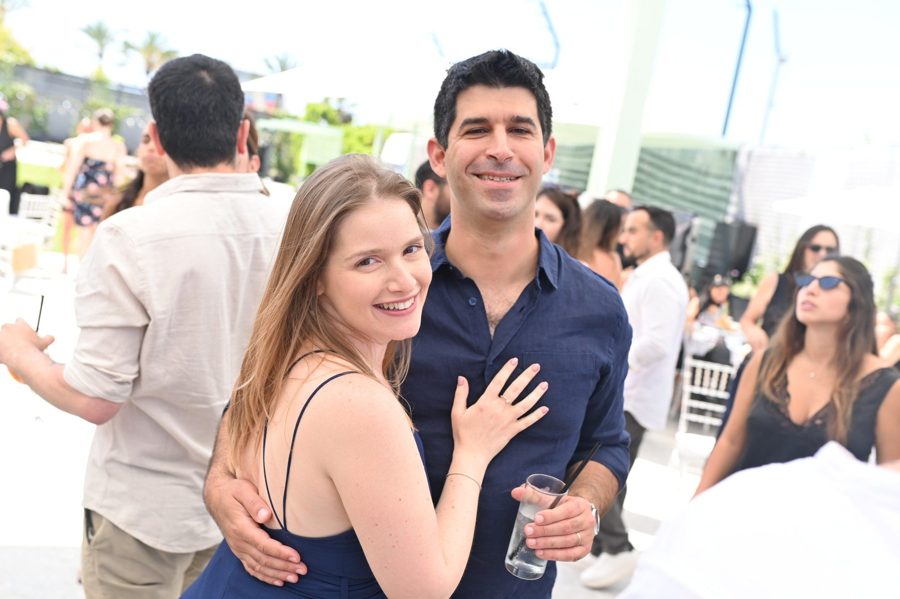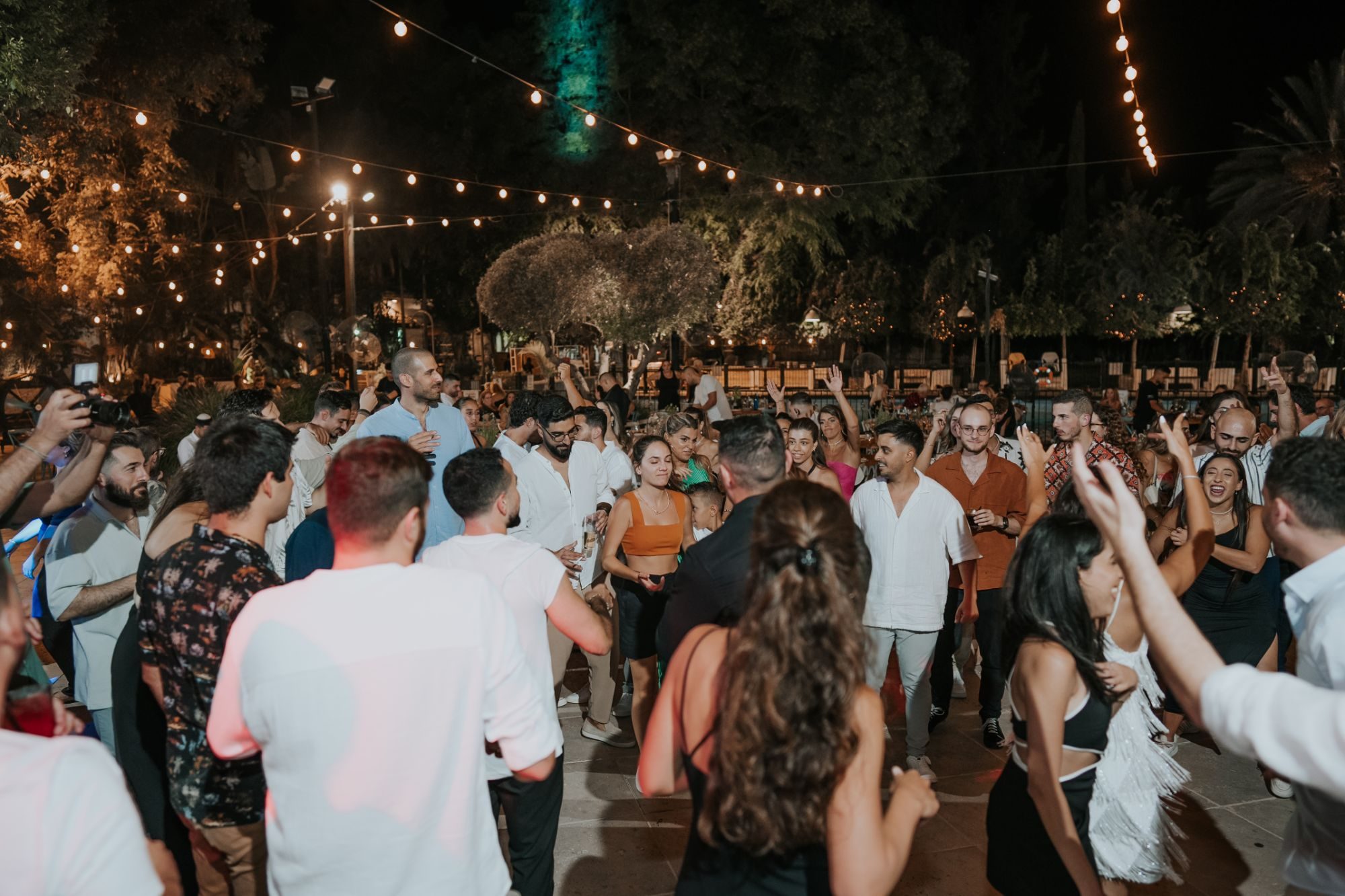
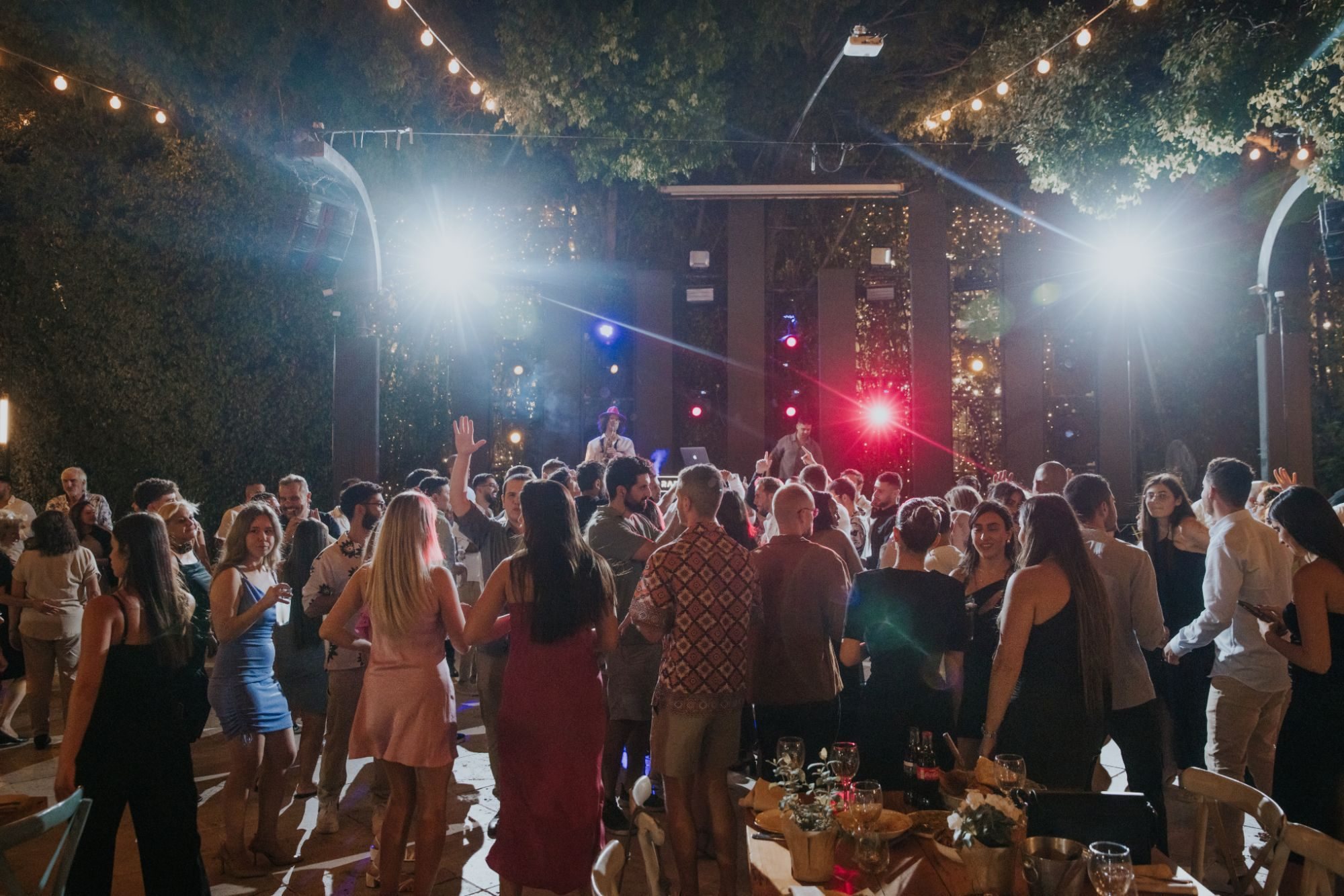
Face recognition, automatic sorting, smart distribution - AI is changing everything we knew about event photography.
In 2024, event photographers in Israel spent an average of 4.5 hours after every wedding manually sorting and sending photos. By 2026, AI platforms like Snapick have cut that time down to under an hour. This isn't futurism - it's today's reality.
What can AI do that a human can't do efficiently?
- Sort 1,000 photos by face - in minutes, not hours
- Recognize a specific person across 200+ different photos (angles, lighting, distances)
- Build a personal gallery for each of 300 guests - simultaneously
- One link and QR code that takes every guest to their own personal gallery
How does the recognition technology work?
Modern face recognition systems use deep neural networks (CNNs - Convolutional Neural Networks) trained on hundreds of millions of images. The system doesn't "recognize faces" - it converts each face into a numerical vector of 128-512 dimensions, then calculates the mathematical distance between vectors. Two vectors that are close together = the same person.
Accuracy of modern AI systems: 95-99% under good conditions. In event conditions (varied lighting, different angles) - 88-95%. Far more accurate than manual searching, which misses up to 30% of photos.
What's next? AI agents in photography
Already in 2026, systems are starting to appear that don't just organize photos - they manage the entire post-event communication: sending messages, answering common questions, offering add-ons (prints, photo books), and analyzing what guests download the most.
Privacy: what happens to the data?
One of people's biggest concerns is: "What happens to my selfie?" At Snapick, the selfie is processed into a mathematical vector - and then deleted. Biometric data is never stored, never transferred, and never used to train models.
FAQ
Does AI in event photography threaten photographers' jobs?
No. AI replaces the administrative work (sorting, sending, distribution) - not the photography itself. Photographers who use AI report having more time to shoot and market themselves.
How accurate is Snapick's face recognition technology?
Snapick reaches 88-95% accuracy under real event conditions. In cases of non-recognition, the guest can try again with a second selfie.