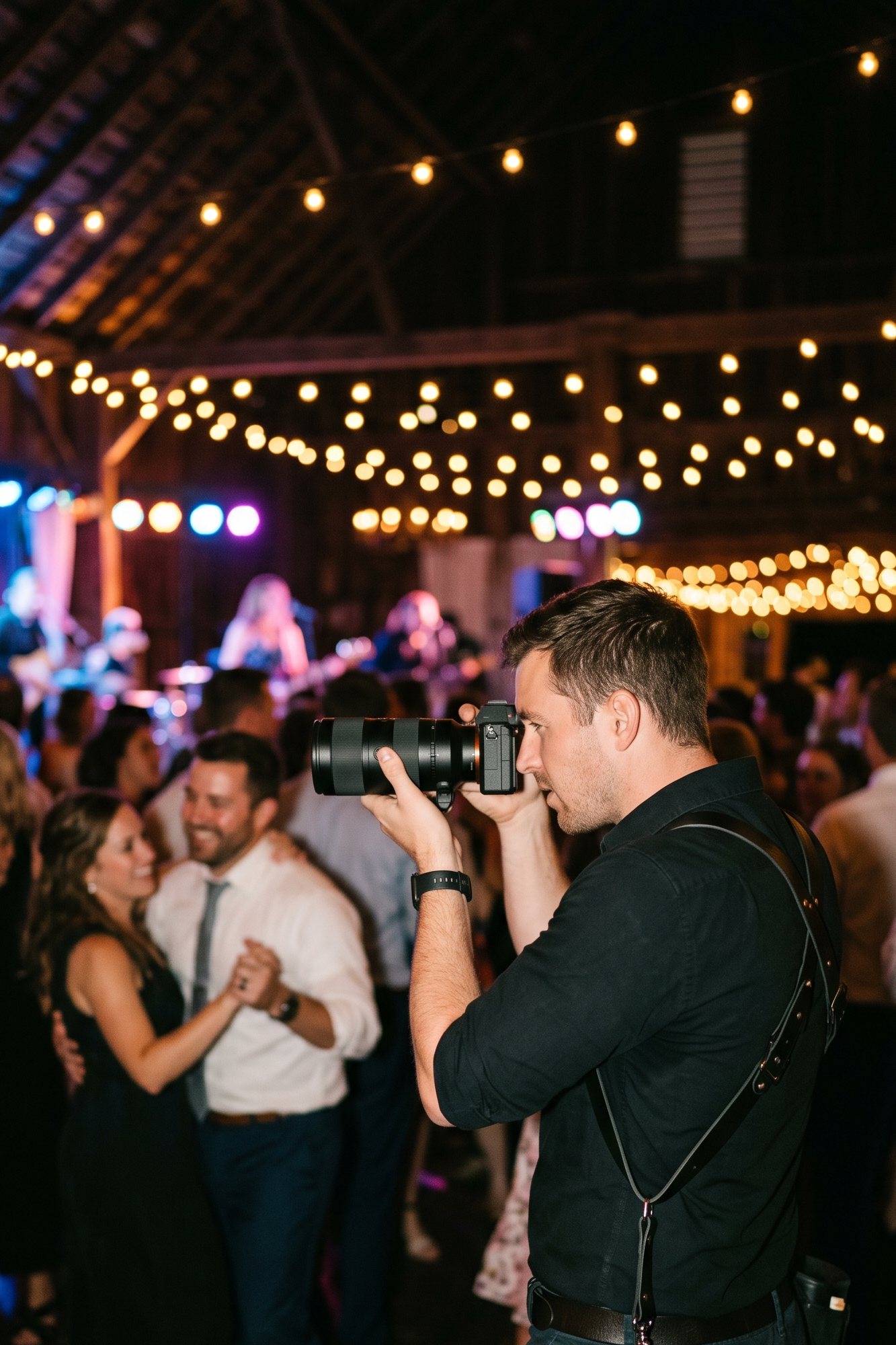
Sony a7 V, Canon R6 Mark III, Nikon Z6III and more: the recommended wedding cameras for 2026, judged by what matters on a 12-hour day - low light, two card slots, battery life and budget.
If you need one answer: for most wedding photographers in 2026 the right camera is the Sony a7 V, the Canon EOS R6 Mark III or the Nikon Z6III - three full-frame cameras with excellent low-light autofocus and two card slots. On a tighter budget: the Nikon Z5II. If you need high resolution: the Canon EOS R5 Mark II or the Nikon Z8. Between brands, the right call is usually to stay in the system you already own lenses for.
What Actually Matters in a Wedding Camera
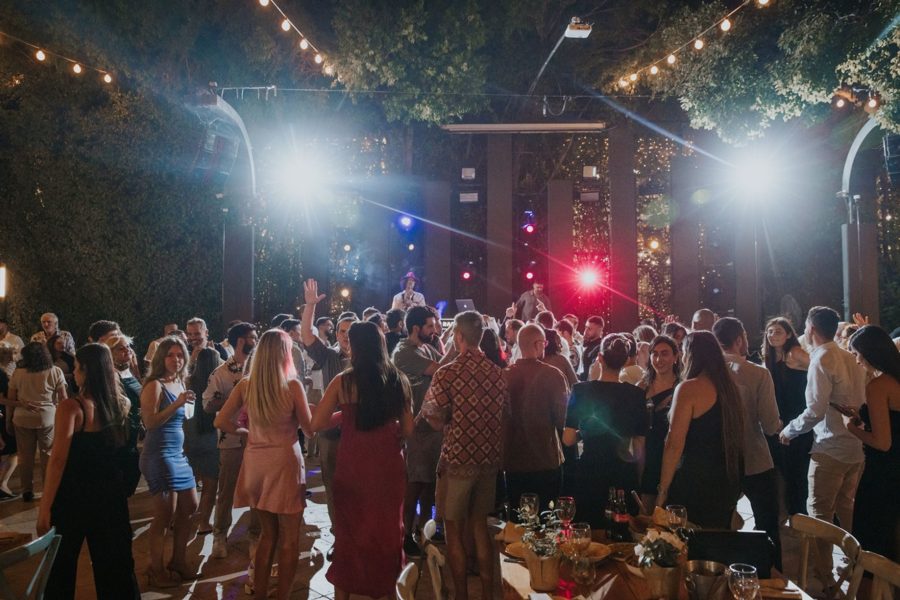
A wedding isn't a studio session. It's 10-12 hours of shooting, from harsh sun at the reception to a dark garden venue under string lights, moments that never repeat, and thousands of frames. These are the things that separate a wedding camera from just a good camera:
- Two card slots - the one requirement you don't compromise on. Recording to two cards at once means a failed card doesn't erase the ceremony.
- Low-light autofocus - eye and face detection that locks on a dark dance floor, not just in daylight.
- A silent electronic shutter - for the ceremony, the speeches and the intimate moments. Fast sensors (stacked or partially stacked) reduce distortion in motion.
- A battery that lasts the day - or at least 2-3 spares in your pocket.
- Sensible resolution - 24-33 megapixels is the sweet spot for most weddings: enough to crop and print, without files that slow down editing thousands of photos.
- In-body image stabilization (IBIS) - lets you use a slower shutter speed without raising ISO.
Comparison Table: Recommended Wedding Cameras in 2026
| Camera | Sensor | Card slots | Launch price (body, US) | Best for |
|---|---|---|---|---|
| Sony a7 V | 33MP full frame | CFexpress A/SD + SD | $2,899 | Most wedding photographers, hybrid shooting |
| Canon EOS R6 Mark III | 32.5MP full frame | CFexpress B + SD | $2,799 | Skin tones, existing Canon shooters |
| Nikon Z6III | 24.5MP full frame | CFexpress B + SD | $2,499 | Low light and lighter files |
| Nikon Z5II | 24.5MP full frame | SD + SD | Under $2,000 | Budget, photographers starting out |
| Canon EOS R5 Mark II | 45MP full frame | CFexpress B + SD | $4,299 | High resolution, albums and prints |
| Nikon Z8 | 45.7MP full frame | CFexpress B + SD | $3,999 | High resolution and speed |
| Fujifilm X-T5 | 40MP APS-C | SD + SD | $1,699 | Light kit, documentary style |
Prices are the official US launch prices for the body only, per the manufacturers' announcements. In Israel the price varies by importer and promotion, so compare before you buy.
Sony a7 V - The Choice of Most Wedding Photographers
The a7 V was announced in December 2025 and replaces the a7 IV, for years one of the most common cameras at weddings. It keeps 33MP but adds a new partially stacked sensor, bursts of up to 30 frames per second, AI-based autofocus and a battery rated for about 750 shots (CIPA). Slot one takes CFexpress Type A or SD, slot two takes SD. A safe choice for anyone already on Sony, and for those who also shoot video.
Canon EOS R6 Mark III - Color and Flexibility
Announced in November 2025, with a jump from 24 to 32.5MP, in-body stabilization of up to 8.5 stops and two slots (CFexpress Type B and SD). Canon's color, especially its skin tones, is a big reason wedding photographers stay in the system. Anyone shooting an R6 Mark II today gets more room to crop without changing lenses.
Nikon Z6III - The Dark Dance Floor Specialist
A 24.5MP partially stacked sensor, which gives fast readout and an electronic shutter that's genuinely usable, plus two slots (CFexpress Type B and SD). The files are relatively light - a real advantage when you come home with thousands of photos to edit.
Nikon Z5II - Serious Full Frame on a Budget
The most affordable route to a wedding-ready full-frame camera: 24.5MP, in-body stabilization of up to 7.5 stops and two fast UHS-II SD slots, so the cards are cheap too. Ideal for a photographer starting out, or as a second body next to a more advanced camera.
Canon EOS R5 Mark II and Nikon Z8 - When You Need Resolution
The R5 Mark II (45MP) and the Z8 (45.7MP) leave room for aggressive crops and large prints, with fast sensors and flagship-level autofocus. The cost: files nearly twice as heavy, which need more storage and more editing time. They make sense for photographers who sell albums and large prints, or as one of two bodies.
Fujifilm X-T5 - For Photographers Who Want a Light Kit
40MP on an APS-C sensor, two SD slots and in-body stabilization, with a body and lenses that are noticeably smaller and lighter - a difference you feel in the tenth hour. The downside: in very low light, a full-frame sensor still gives you more headroom.
What about the previous generation? The Sony a7 IV and Canon R6 Mark II are still excellent wedding cameras, and on the used market they're among the best deals around. A camera with two slots and good eye autofocus covers most of the job - lenses and experience shape the result more than the body.
Lenses Matter as Much as the Camera
- 24-70mm f/2.8 - the workhorse for most of the day: getting ready, reception, dance floor
- 70-200mm f/2.8 - for the ceremony and speeches, without stepping between guests mid-ceremony
- 35mm or 50mm at f/1.4-1.8 - for documentary moments and low light
- 85mm at f/1.4-1.8 - for portraits of the couple, with a soft background
Most experienced photographers work with two bodies: a wide lens on one, a telephoto or portrait lens on the other. That way you never change lenses at the wrong moment, and you have a backup body if one fails.
Tips for Weddings in Israel
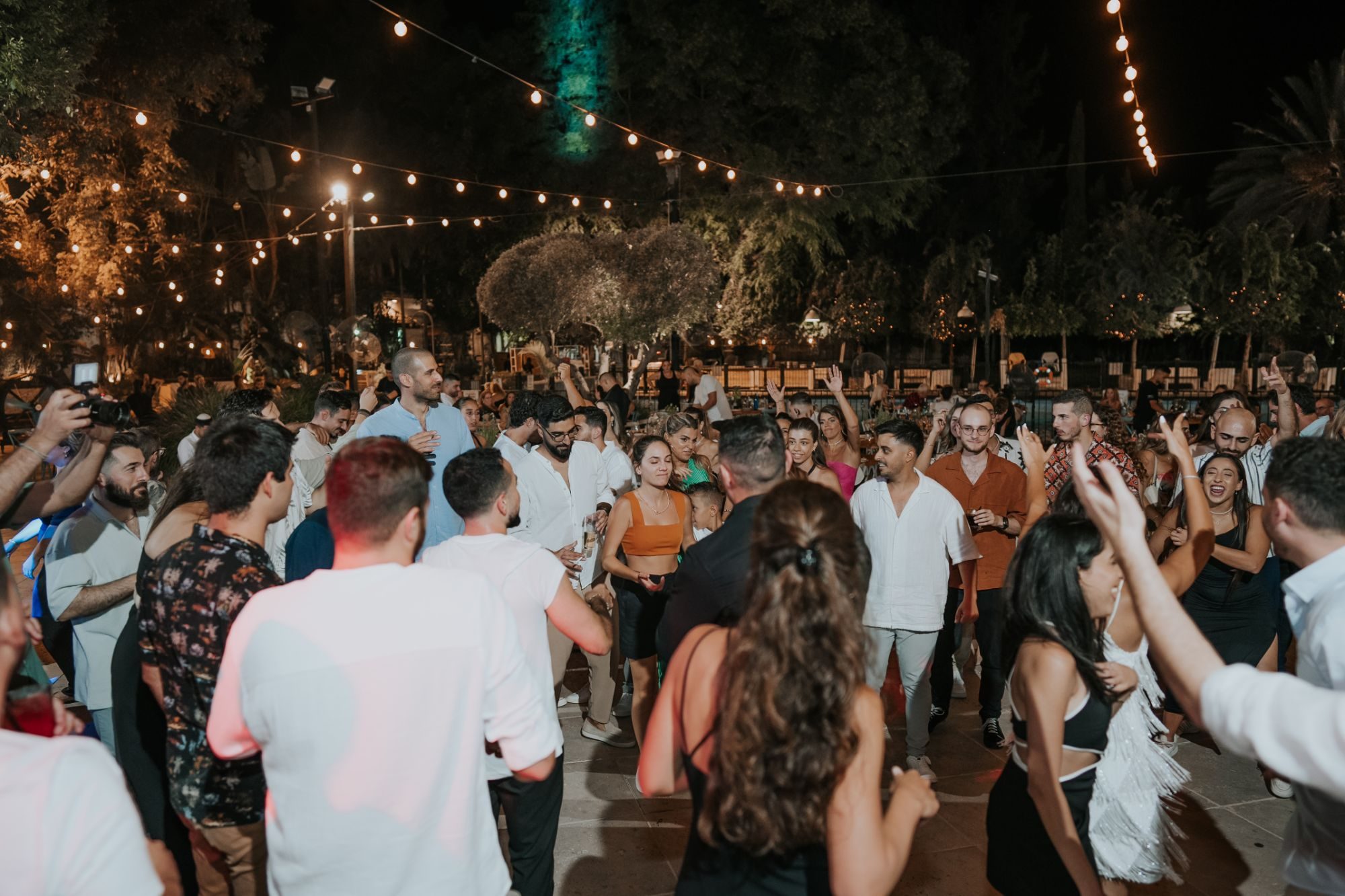
- An afternoon reception in the sun and a dance floor in a dark garden: check how the camera handles ISO 6400-12800 before you buy.
- LED lighting and screens at venues cause banding with an electronic shutter. Turn on flicker reduction, or switch to the mechanical shutter on the dance floor.
- In the Israeli summer, cards and batteries heat up - keep spares in the shade, not in the car.
- An on-camera flash is still necessary on the dance floor, even with the best sensors.
The Camera Is Done. What About the Thousands of Photos?
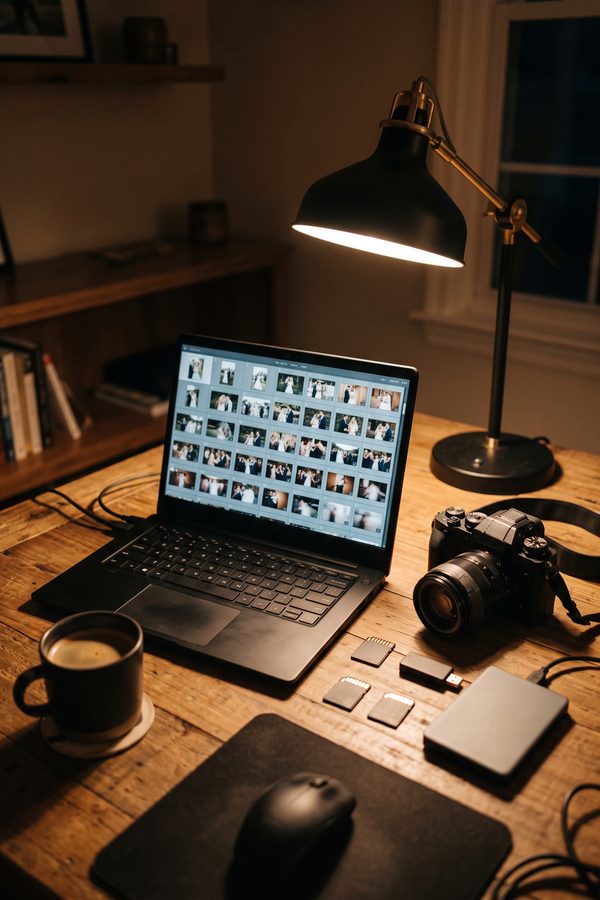
The best camera saves you missed shots, but not what happens after the wedding: backup, culling, editing, and delivery to clients who each want to find themselves among thousands of photos. That's where most photographers lose the most hours.
Snapick has a dedicated platform for photographers: a branded gallery for every client, with your logo, credit and contact details. AI recognizes the people in the photos, so the couple and their family browse by person or find themselves with a selfie. Deliver to the client by email, WhatsApp or a link and QR code, up to 15,000 photos per gallery. The platform is currently open to photographers in our partner program - talk to us.
FAQ
What's the best camera for a beginner wedding photographer?
The Nikon Z5II is the best entry point into full frame with two card slots and in-body stabilization, at a launch price under $2,000. A good alternative: a used Sony a7 IV or Canon R6 Mark II.
Do I need a camera with two card slots for weddings?
For professional work - yes. Recording to two cards at once protects you from a failed card, and there's no reshooting the ceremony.
How many megapixels do I need for wedding photography?
24-33MP is enough for most weddings, including albums and prints. 45MP and up is useful for crops and large prints, but the files are heavy and slow down editing thousands of photos.
Full frame or APS-C for weddings?
Full frame gives more headroom for noise and background blur in low light, which is why it's the common choice. APS-C, like the Fujifilm X-T5, suits photographers who prefer a light kit and often work in good light.
Sony, Canon or Nikon - which is best for weddings?
All three are excellent in 2026. The right call is usually to stay in the system you already own lenses for: good lenses last for years, bodies get replaced.
Is it worth upgrading from a Sony a7 IV or a Canon R6 Mark II?
Only if there's a real problem the new body solves - autofocus on the dance floor, resolution for cropping, or video. If your shooting works, investing in a lens or in how you deliver to clients will matter more.